Nine years ago when we brought to Earth the space-age technology called free space optical communication, the question that we, and our partners, never stopped asking was, “How does weather affect the beams of light?”
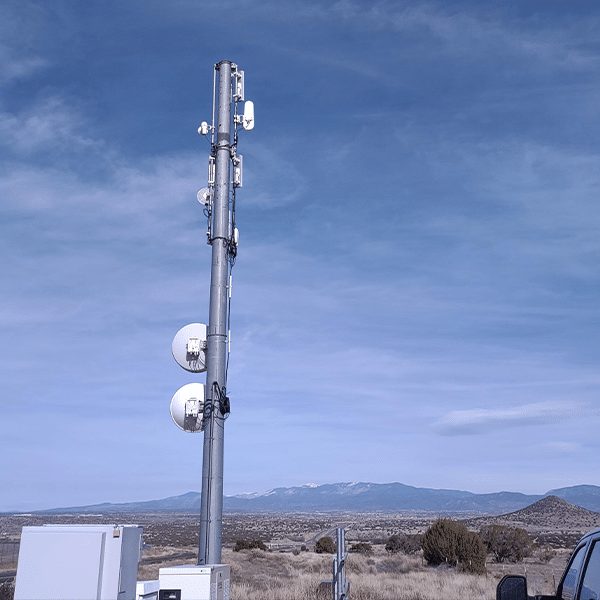
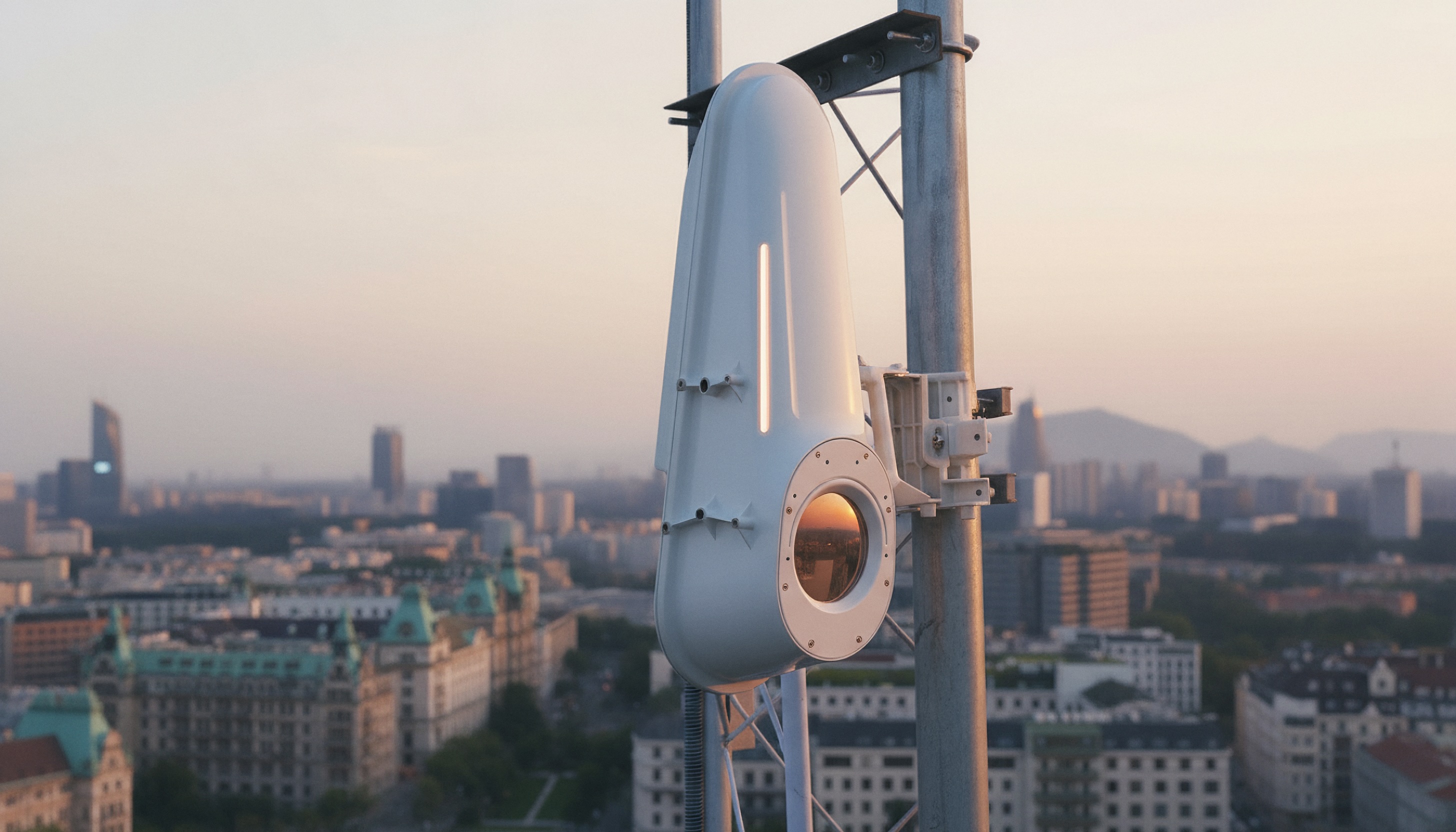
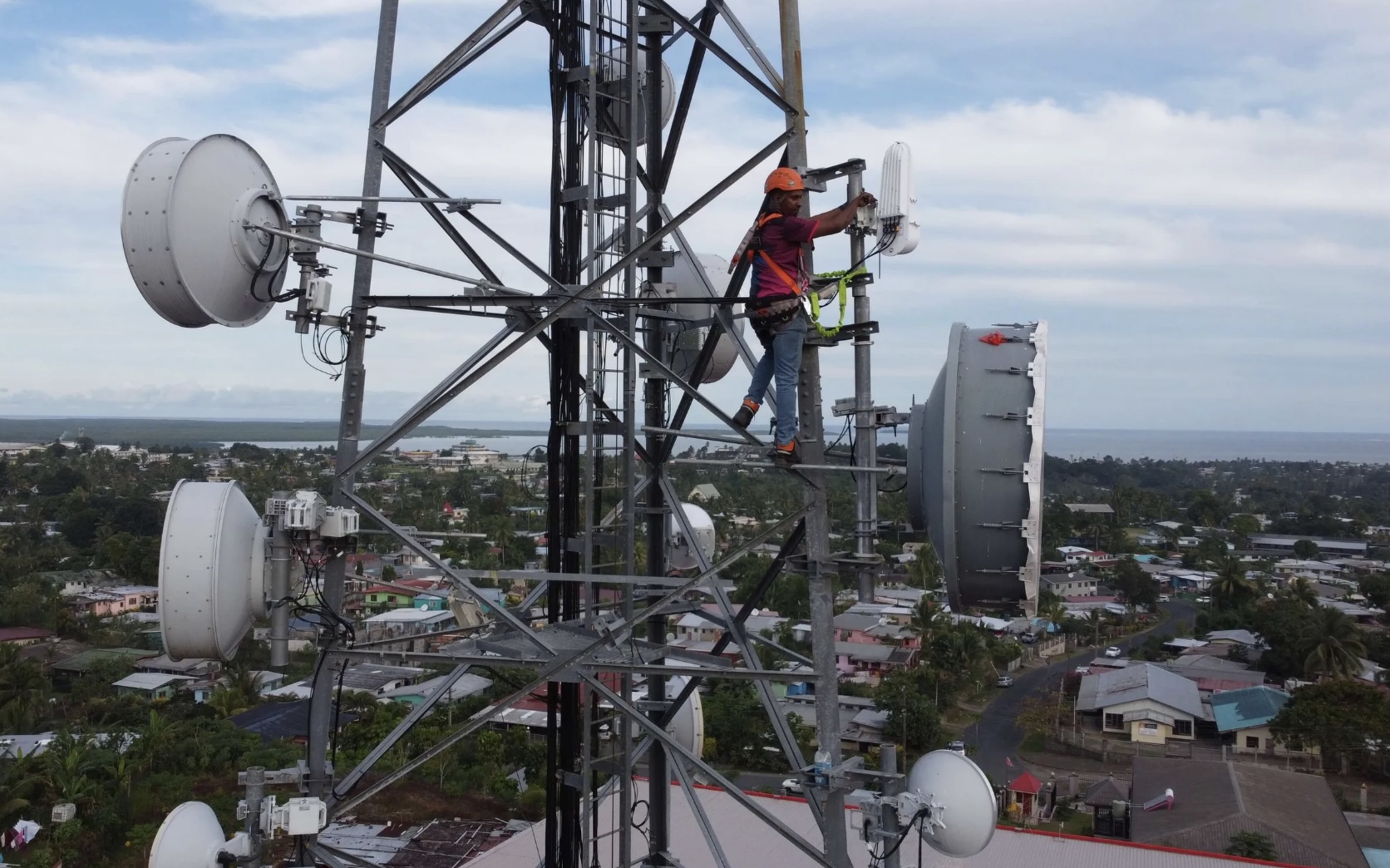
But unlike in 2017 when we first started deploying Taara links in India, we now have nearly a decade of real world data from deployments across a wide range of geographic and climatic conditions in over twenty countries, from towers to rooftops, across rivers, valleys, and mountains in some of the toughest environments around the world – not to mention urban centers.
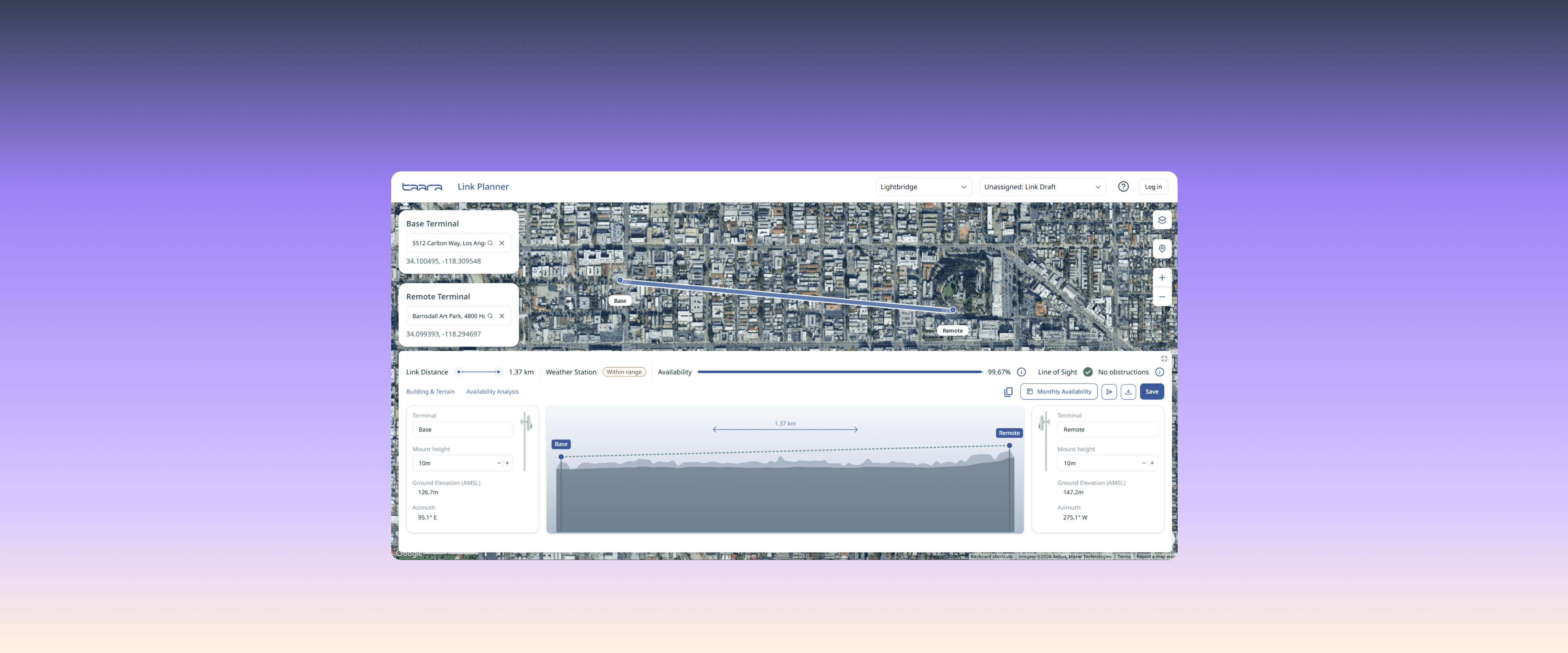
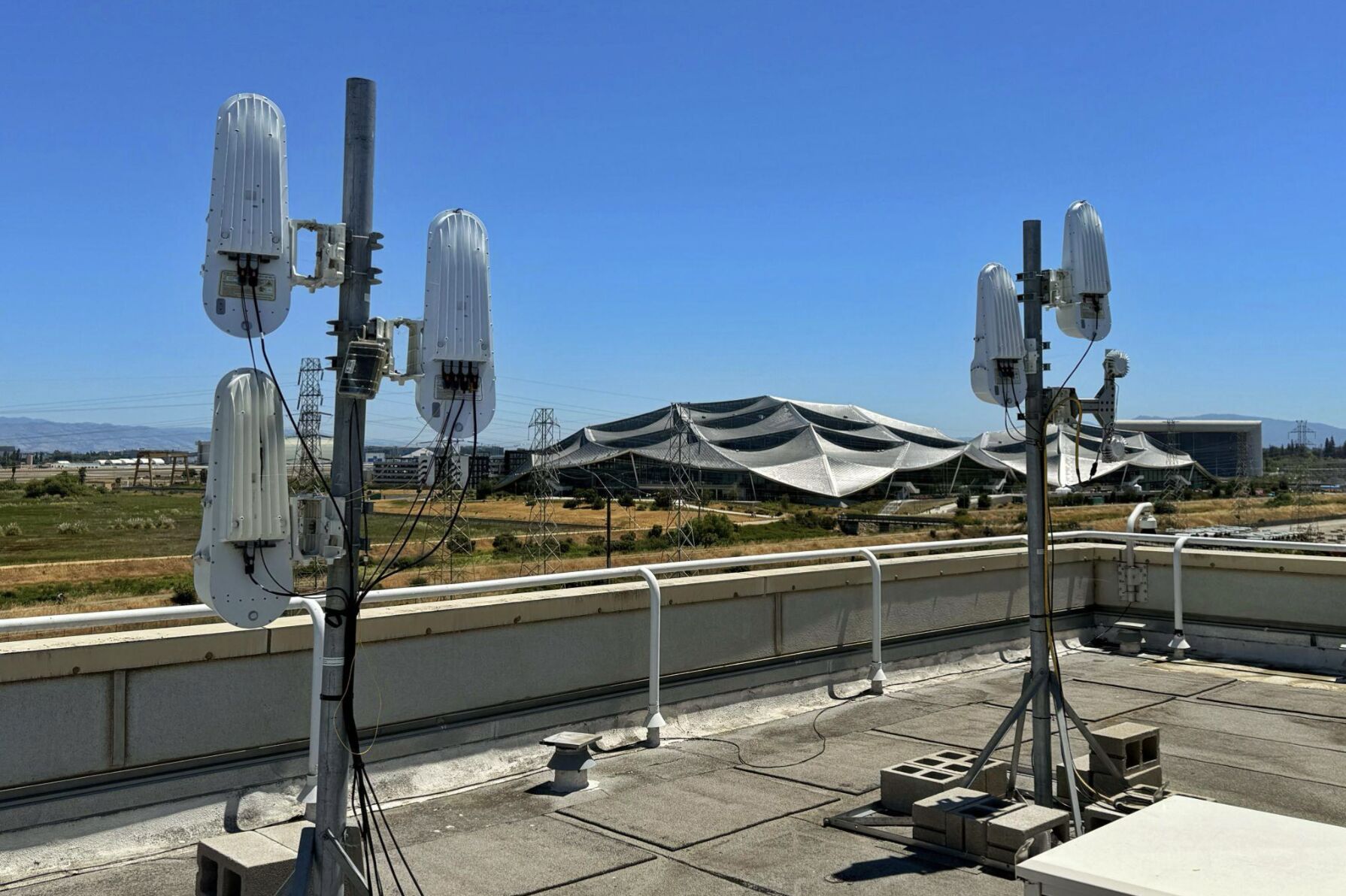
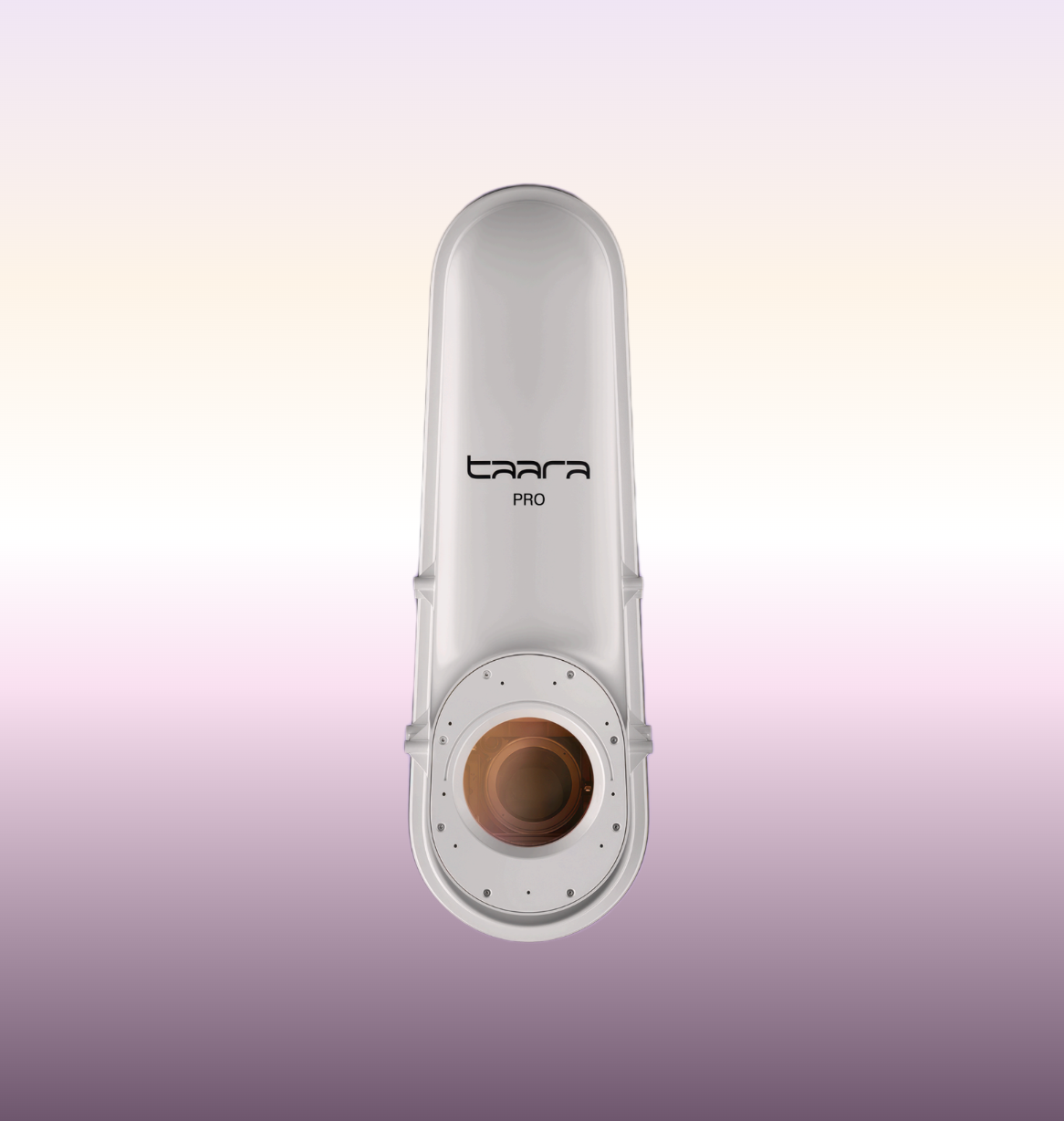
Building on one of the world’s largest fleets of commercial wireless optical communication links in the field, today, we’re excited to launch the Taara Link Planner to help operators plan and deploy their next high-capacity light-based links.
The study of light waves through the atmosphere
For nearly a hundred years, the International Telecommunication Union has been studying and modeling the propagation of radio waves through the Earth’s atmosphere as a function of frequency, distance, and other conditions. The goal was, and continues to be, to better understand how radios reliably carry data from one place to another. Today, these models form the scientific basis of the telecommunication industry’s link planning tools across the radio frequency spectrum, from 3 hertz up to 3 Terahertz.
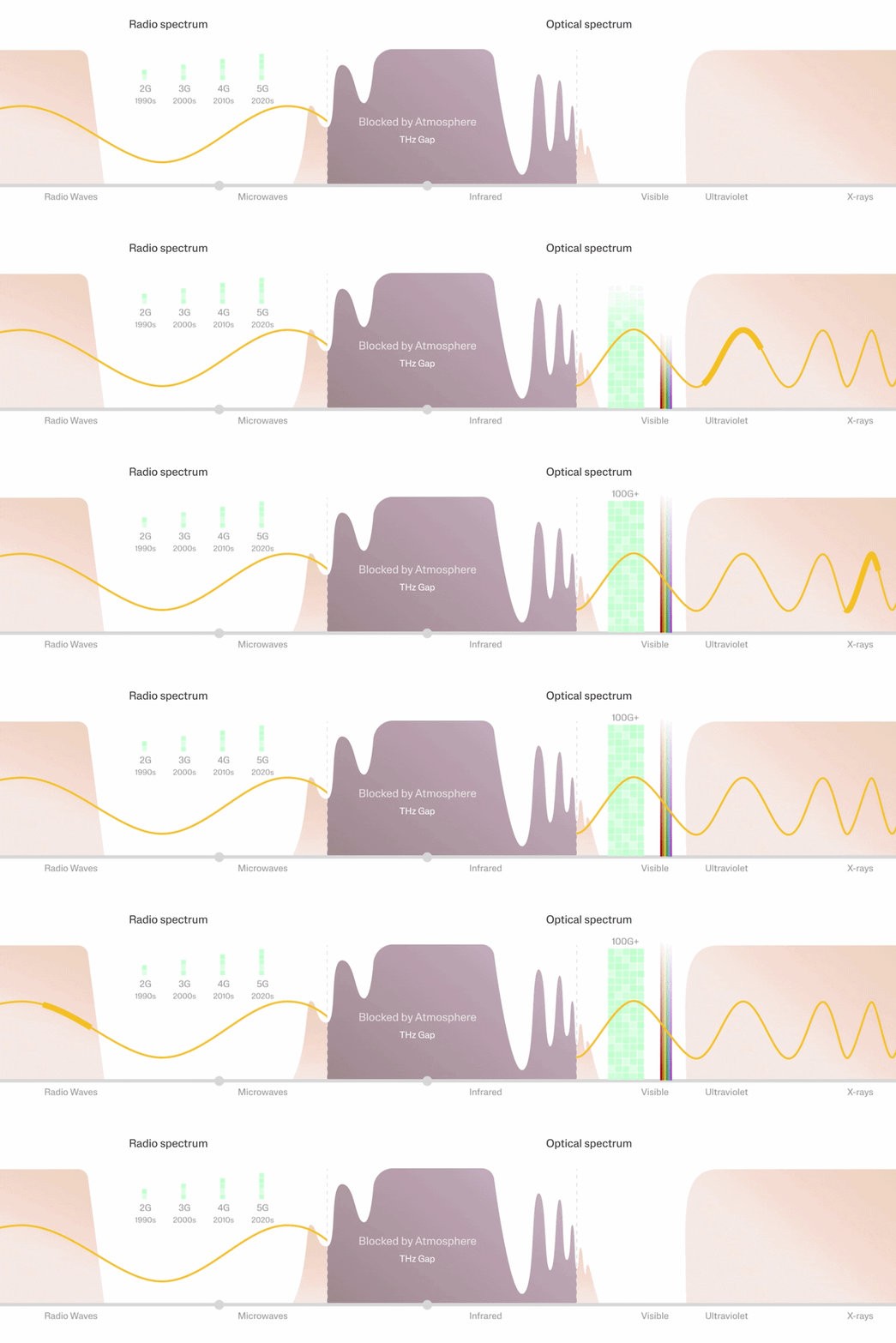
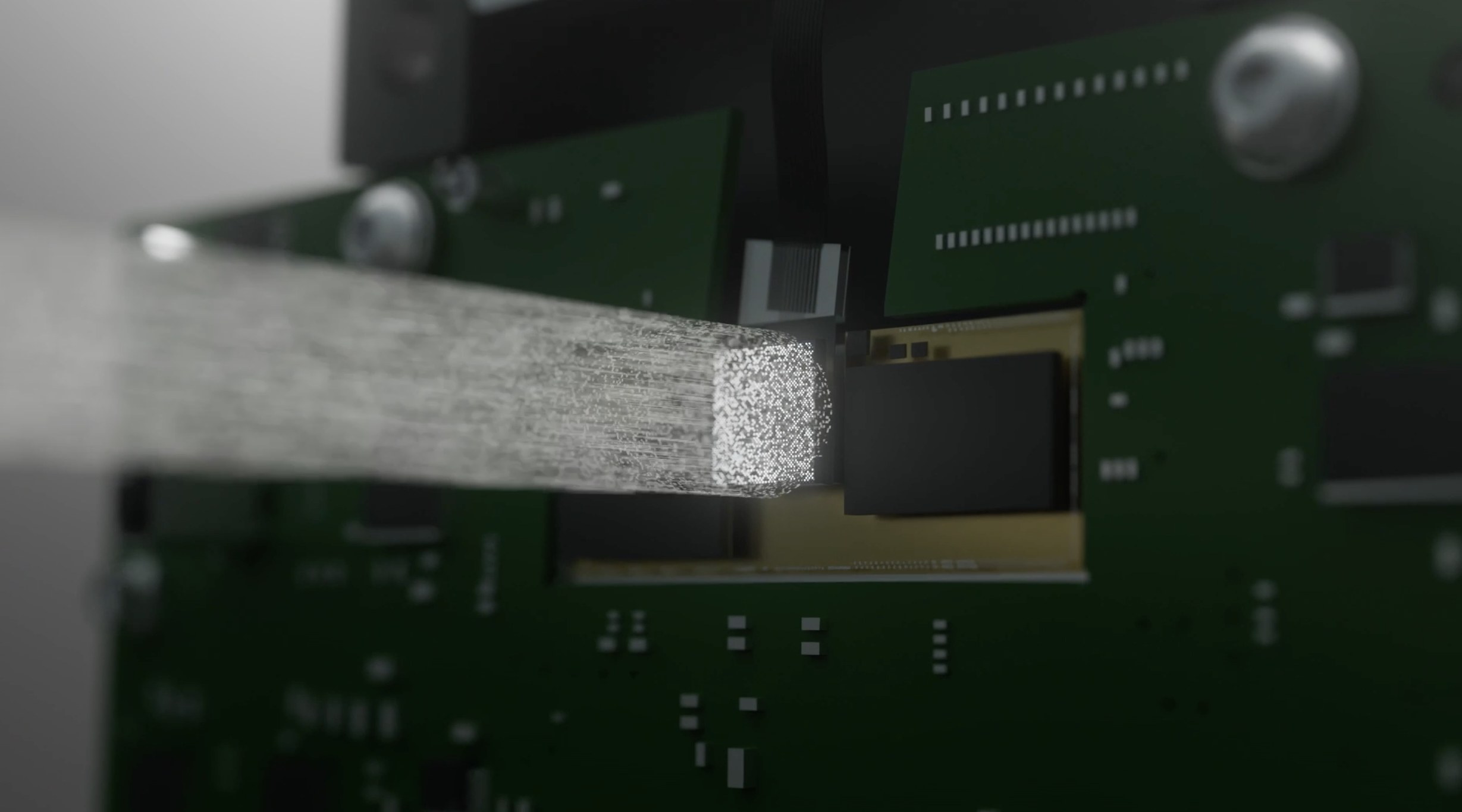
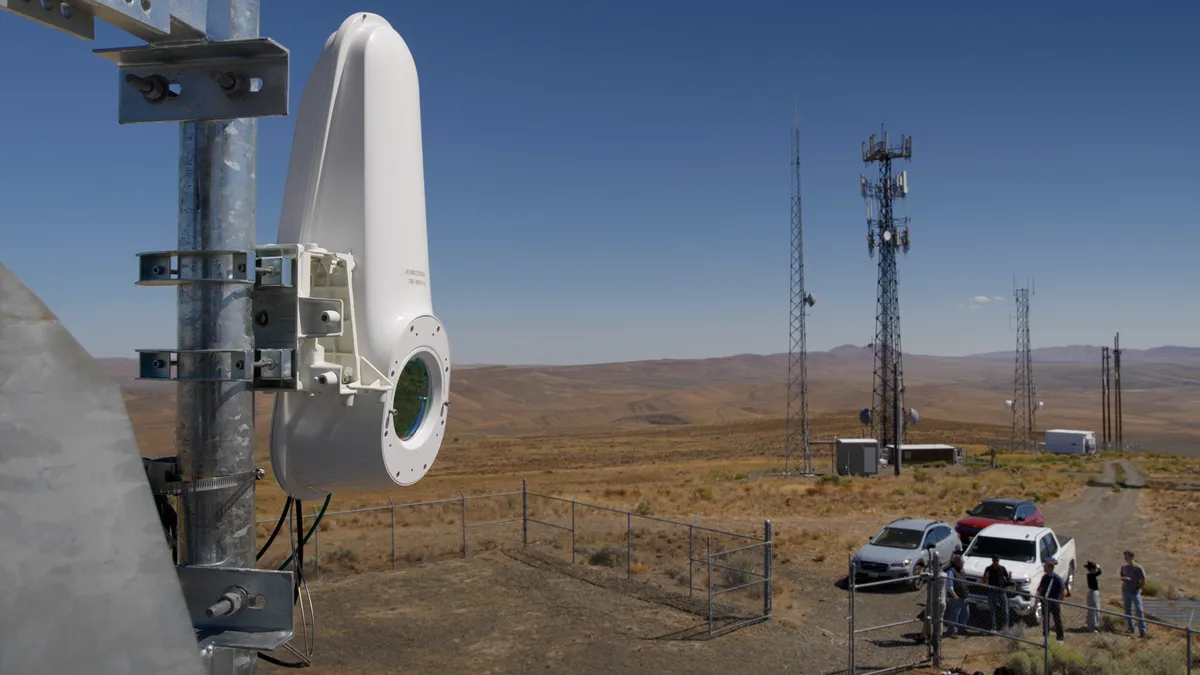
But Taara links operate in the optical spectrum, using the same frequency of light that travels inside fiber optic cables. At 193 Terahertz, Taara links use incredibly narrow beams of light – less than 1/300th of a degree – to deliver high capacity data over the air with extreme precision and direction. In this part of the electromagnetic spectrum, atmospheric phenomena affect the propagation of light waves differently. As we beam photons through the Earth’s atmosphere, minute particles like water vapor and dust, can easily degrade the quality of data transmission by scattering the photons.

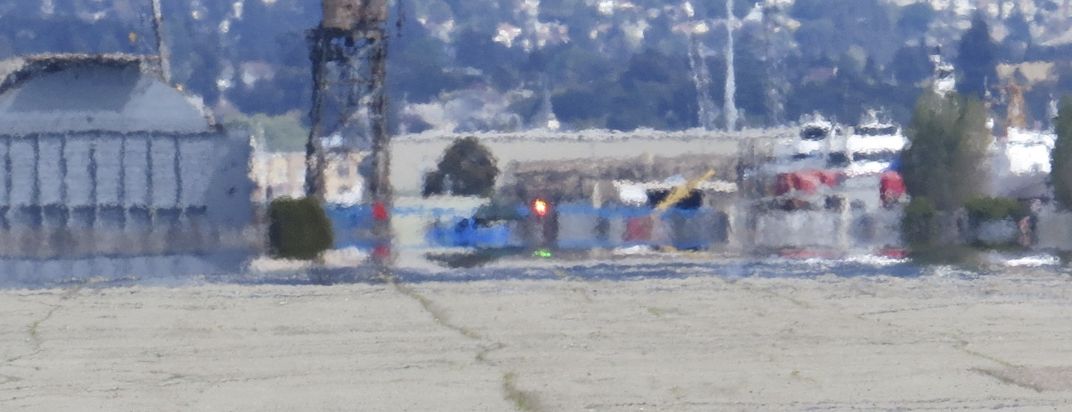
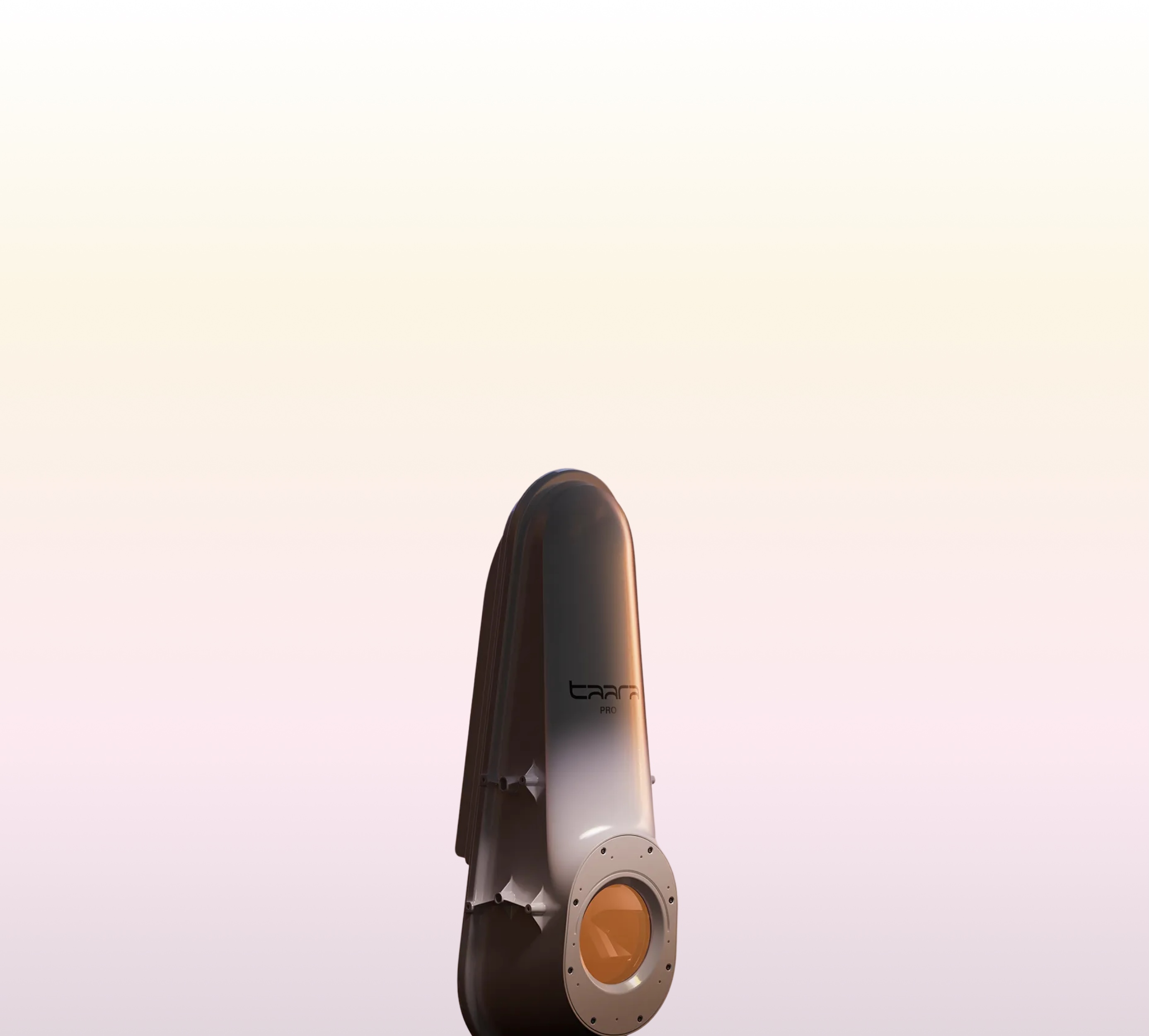
On clear days, Taara Lightbridge can deliver 20 Gbps of data over distances up to 20 km. But on days with torrential rainfall, fog, or snow, the scattering and absorption of light may cause the link to go out. In regions with high temperature or humidity, atmospheric turbulence causes the beam to spread and wander, and when the wind blows, the vibrations of the mechanical structure on which the link is mounted can cause pointing errors. The question is, how do we model the impact of these effects on the performance of a wireless optical link?
Estimating the availability of a wireless optical link
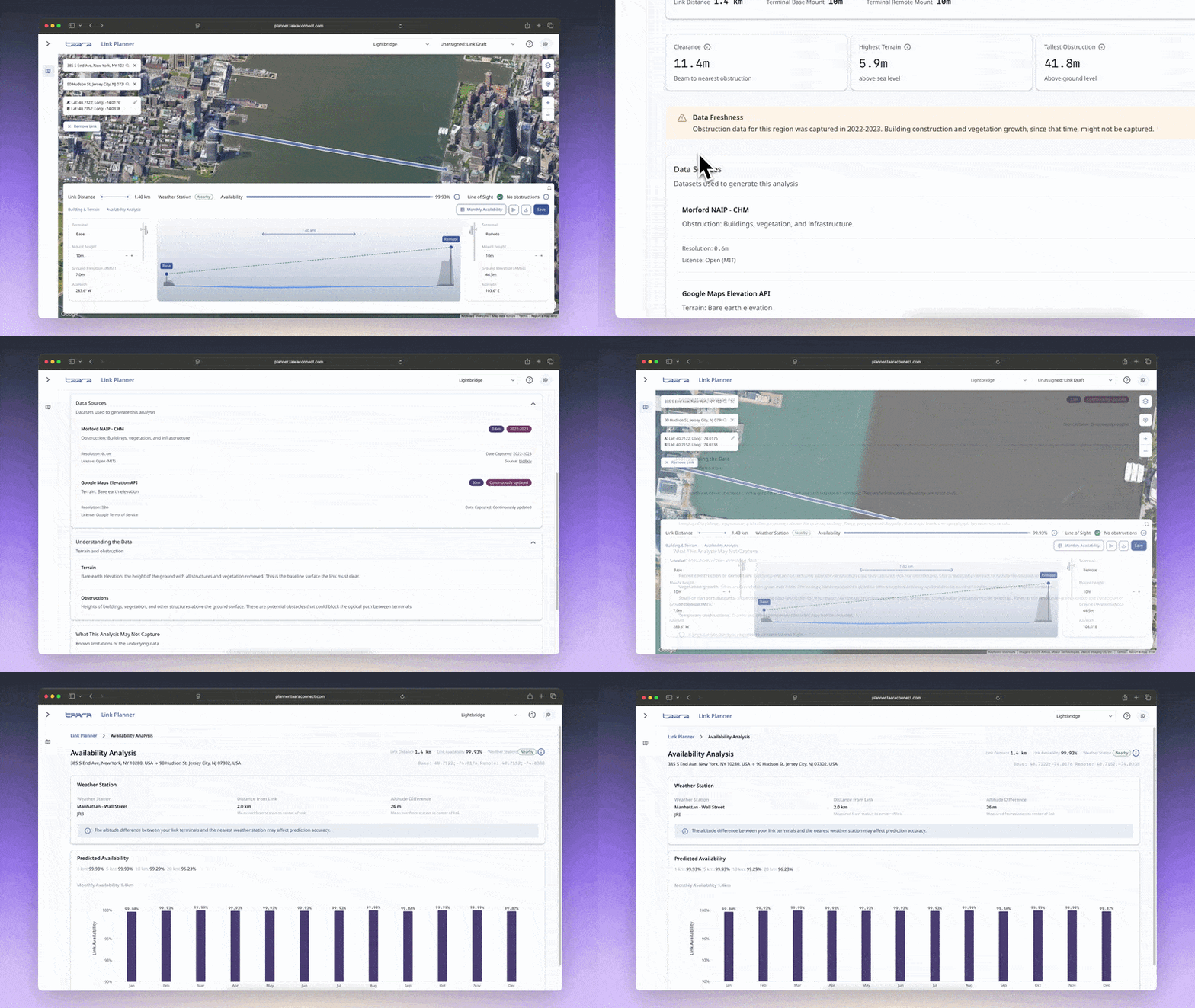
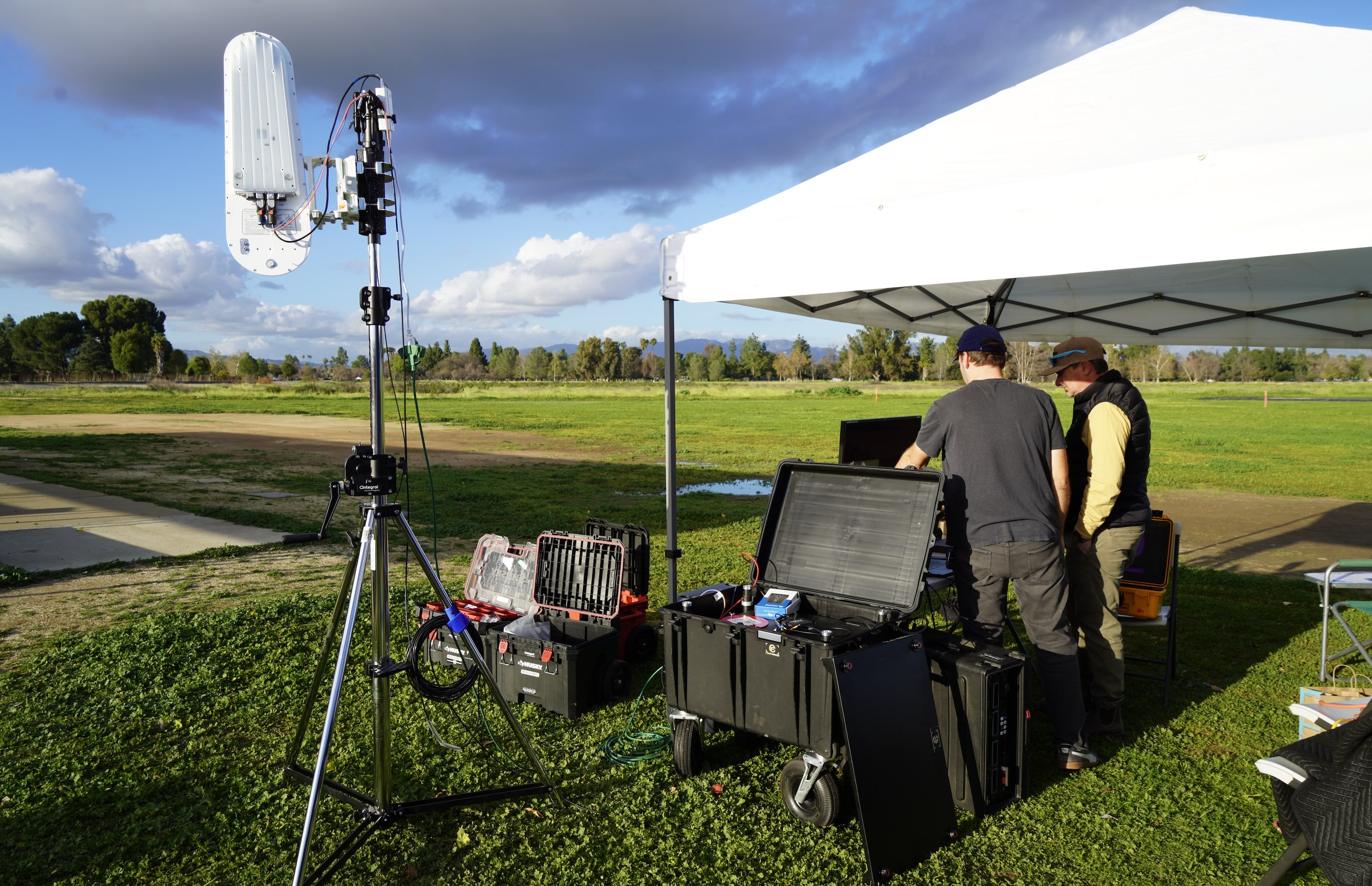
By collecting visibility parameters like rain and wind from weather stations at airports around the world, and integrating them into our design parameters for Taara Lightbridge, we have developed a method to predict the link performance with practical accuracy.
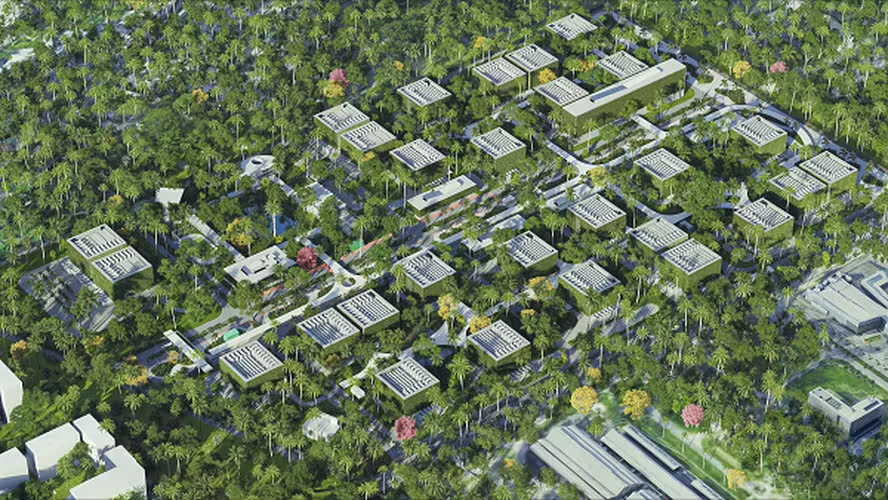
Given two points up to 20 km apart, the Taara Link Planner first establishes whether there is a clear line of sight based on local terrain and building heights. It then calculates the link budget over the beam path, based on the design parameters of Taara Lightbridge. The result is the minimum mounting height required to clear line of sight, along with an estimated link availability, broken down by month.
Where we beam from here
The basic rule of thumb is that when the remote terminal is visible from the base site, the link will close with some extra margin. The truth is, predicting the weather is a challenge people have studied throughout history, and predicting it in localized conditions at specific altitudes where the atmosphere varies throughout the beam path is an extremely challenging task.
Taara’s approach has always been collaborating with operators to deploy high-speed connectivity with flexibility. We are thrilled to now broaden our solutions that inform the design and deployment of wireless optical communication at scale, to support leaders building the next generation of modern connectivity infrastructure.
Plan your next high-capacity link with Taara Link Planner, available at taaraconnect.com/link-planner.
%20(2).jpg)





.png)


.png)
%20(2).jpg)

.jpg)



.jpg)


